AI is good at analyzing data (including images and video) and can make recommendations as to how a network should be designed, built, operated and maintained. If your company is building data centers, laying fiber, deploying edge compute or building and maintaining wireless infrastructure, you are enabling AI.
We seem to live in an age where everything is powered by artificial intelligence (AI). If AI cannot do it today, it will only be a matter of time before it can. Need a recipe? AI has one. Need a new dog? AI will choose one for you. Need to balance your household budget? AI can help there too!
Where AI Stands Today
Today AI is really a predictive text engine. The Large Language Models (LLMs) have been trained on lots of data and generally know what is supposed to come next.
Today’s AI is not good at math or calculations and is not “general” artificial intelligence. The next generation of AI models likely will require an order of magnitude of compute power and breakthroughs in other areas.
AI Meets Connectivity
We also see a lot of talk about AI and Connectivity. Today’s AI can interact with the physical world (for example change the temperature on a smart thermostat or analyze images from a video camera), but AI cannot build build a network or put up a new radio on a cell site. For all the talk of increased AI capabilities, somebody has to actually build the physical infrastructure, including cell sites, fiber connections, data centers and power stations. And that is where Professional Services comes in.
AI is good at analyzing data (including images and video) and can make recommendations as to how a network should be designed, built, operated and maintained. But a person will still have to build the data center, install the racks of servers, connect all of the fiber between the servers and switches, trench the fiber from the data center to the nearest Internet Point of Presence (POP) and then ultimately build the Radio Access Network (RAN) frame, operate the crane to put the RAN on the tower, bolt it together, connect the various power and fiber cables and complete the close out and testing. Various technicians and engineers do this today and while their jobs will be assisted by AI (job planning and scheduling, for example), the physical work must still be performed. And the more AI consumers and businesses use, the more demand there will be for physical infrastructure and the associated professional services.
The recent news about DeepSeek (advanced AI models have been built without using advanced GPU chips and at a fraction of the cost of traditional models) may mean that AI will be far more prevalent and require even more infrastructure than under the traditional business assumptions. DeepSeek means the AI future is a little less clear but it is highly likely that far more computing infrastructure will be needed, no matter the direction the industry takes. And that means more professional services.
What It Means for Infrastructure Builders
If your company is building data centers, laying fiber, deploying edge compute or building and maintaining wireless infrastructure, you are enabling AI.
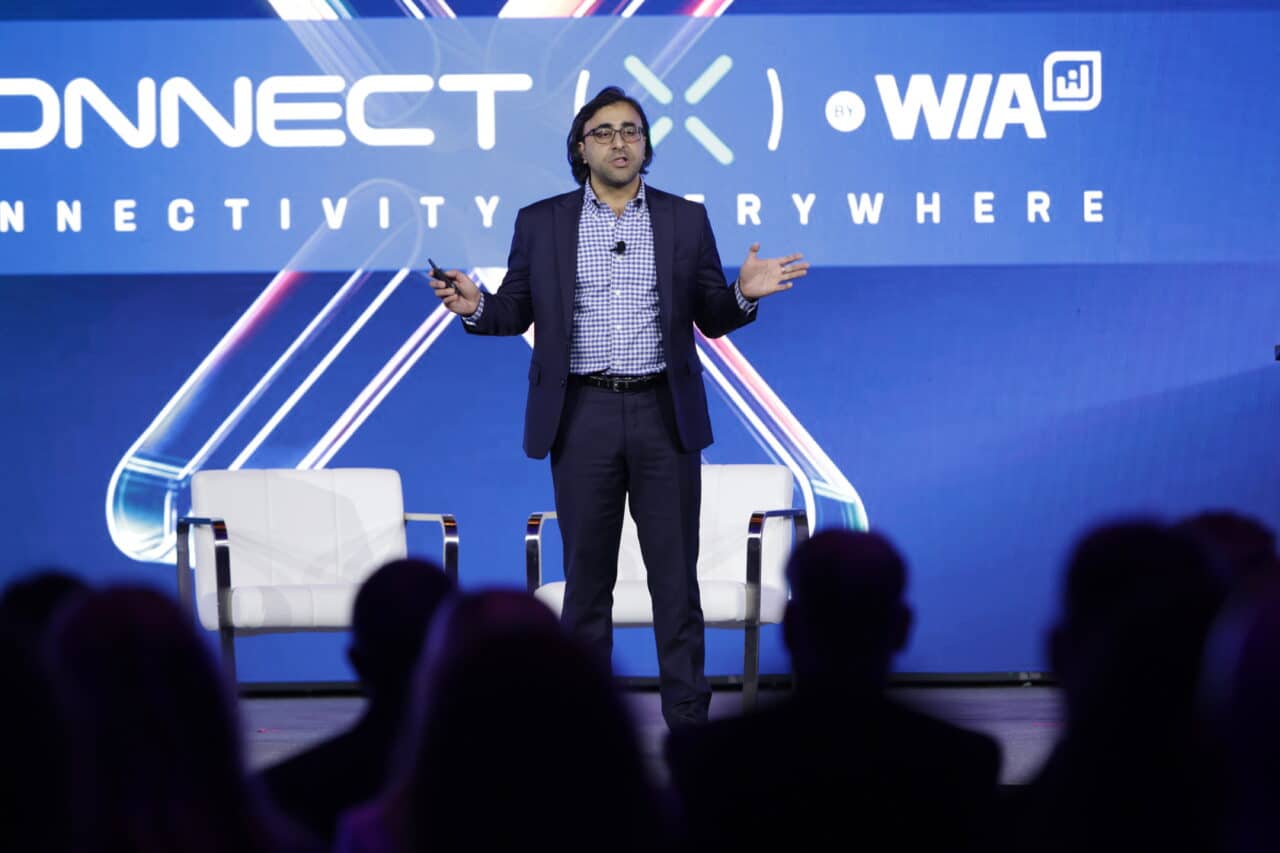
Evolving Infrastructure and Emerging Technologies are two conference tracks at Connect (X) that will discuss the crossroads of tradition and innovation. The Evolving Infrastructure track delves into the dynamic shifts reshaping business models, from construction and engineering to workforce evolution and beyond. The Emerging Technologies track explores the transformative potential of AI in optimizing network performance and customer experiences to the revolutionary impact of Edge computing in driving real-time data processing closer to the source.
Want to Learn More?
Register for Connect (X) 2025 in Chicago, May 12-14, 2025.