Verizon, Intel, Ericsson, JLL, Qualcomm, American Tower, NVIDIA, Nokia, T-Mobile Leverage Expertise to Predict Trends
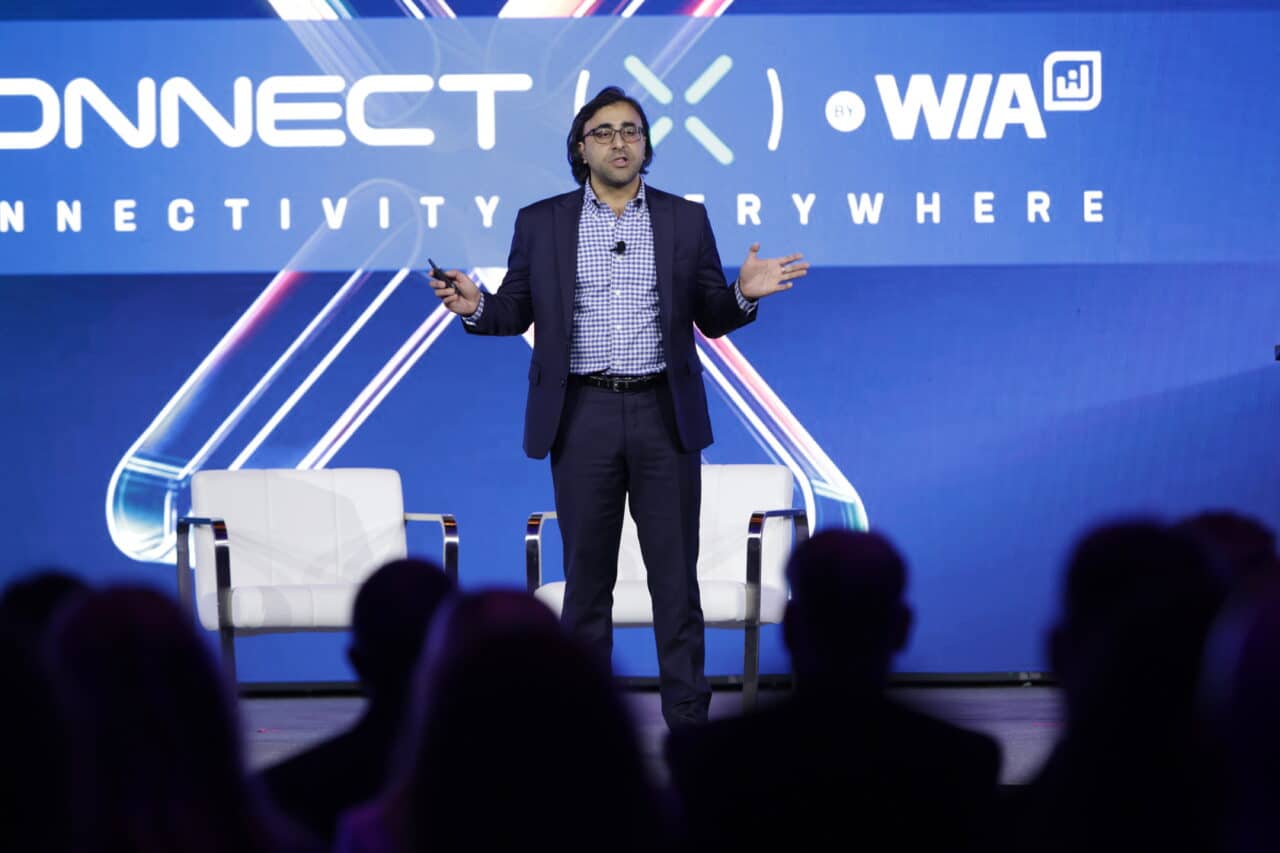
Day 2 of Connect (X) 2026 Keynotes Deliver Past, Present, Future of Connectivity Industry
Verizon, Intel, Ericsson, JLL, Qualcomm, American Tower, NVIDIA, Nokia, T-Mobile Leverage Expertise to Predict Trends
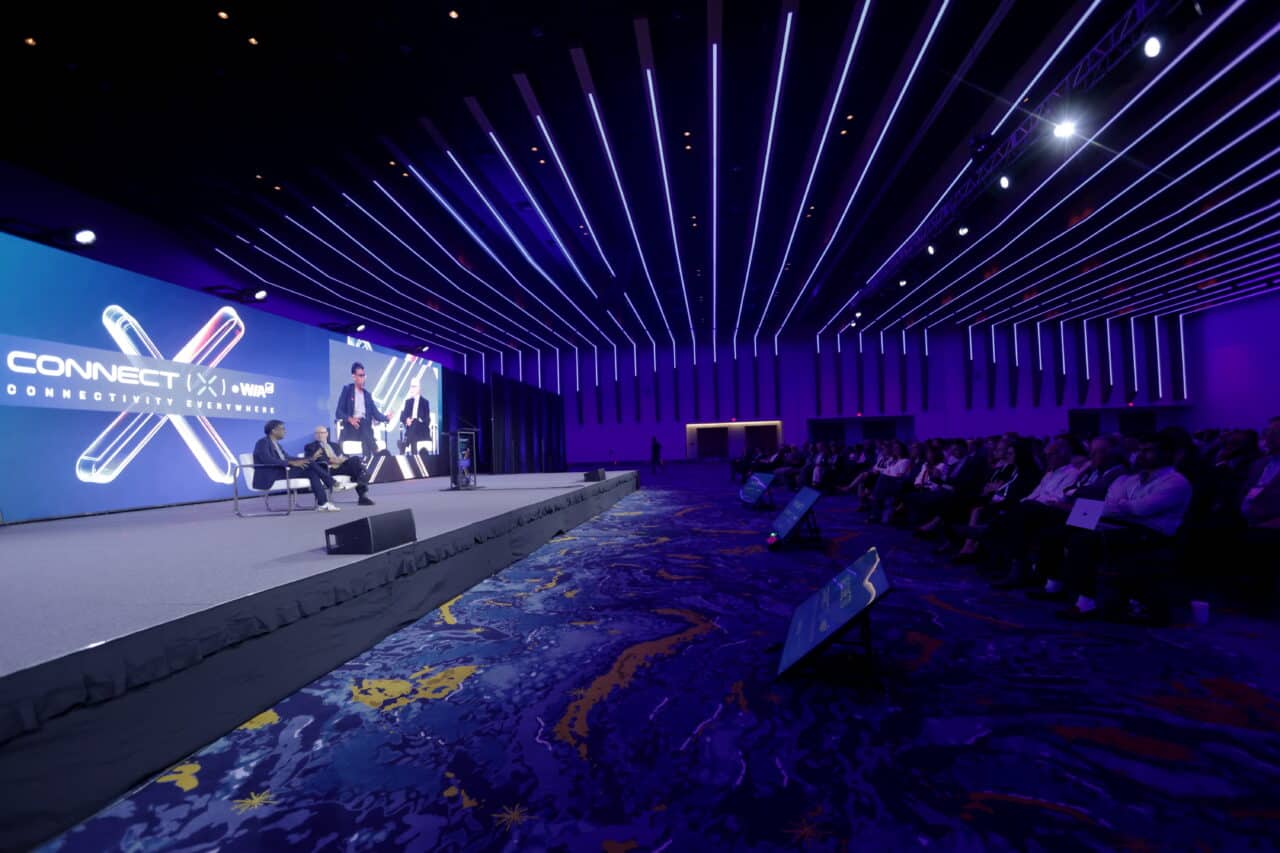
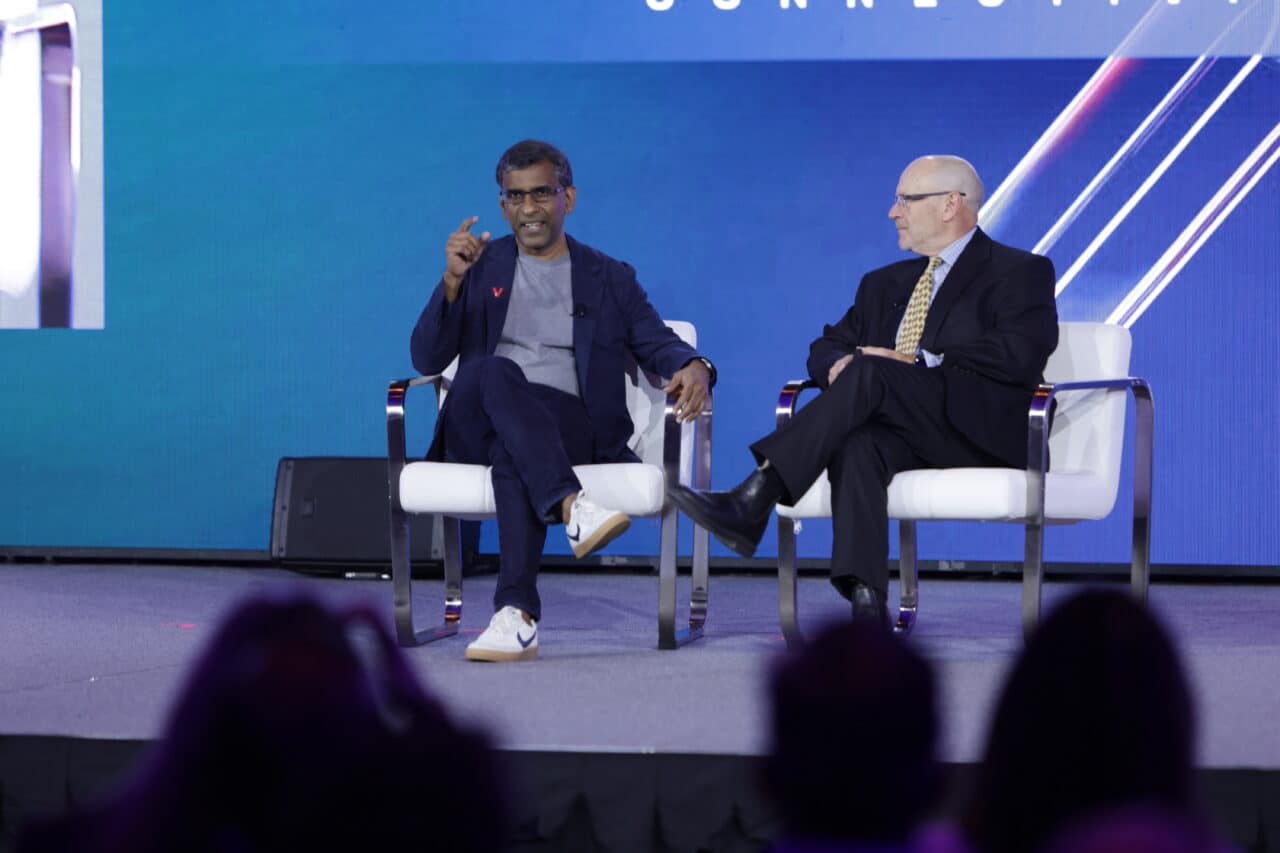
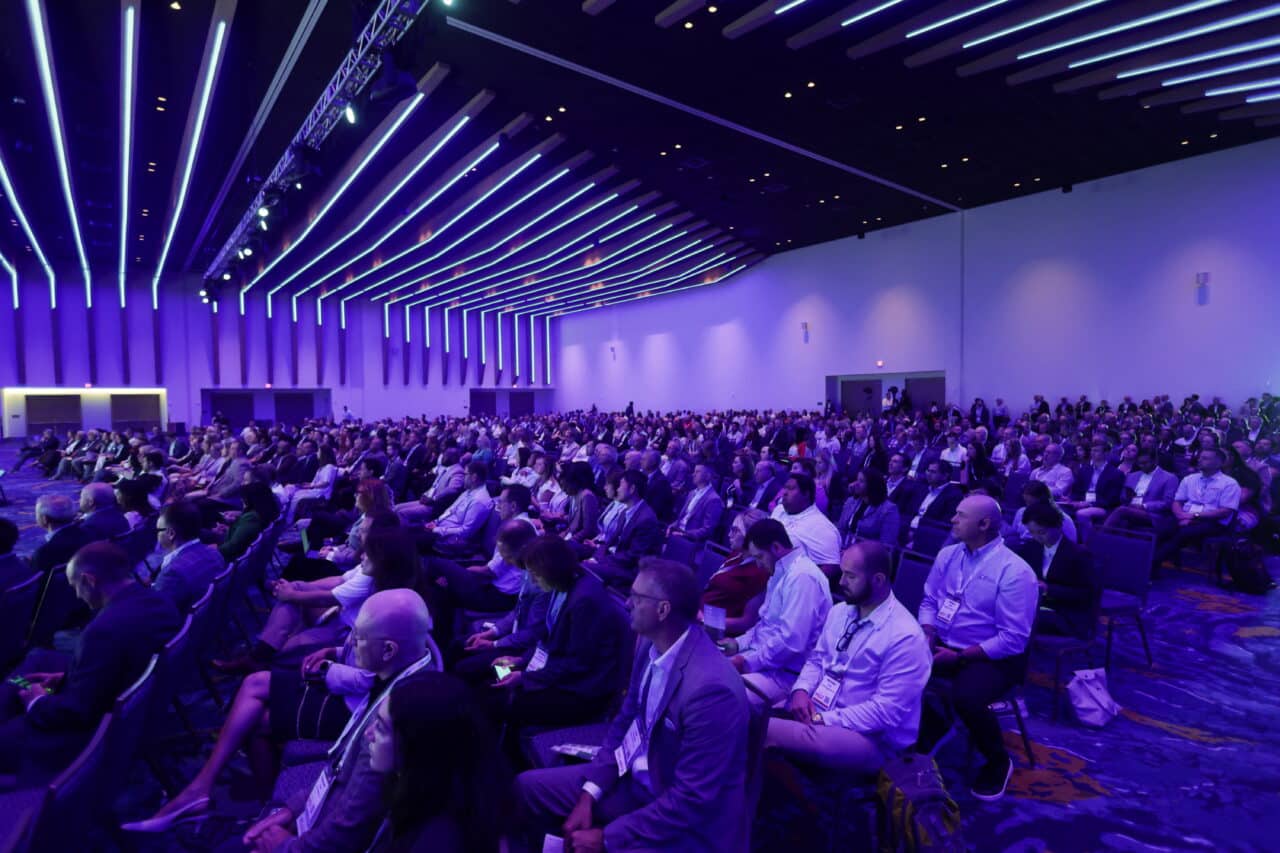
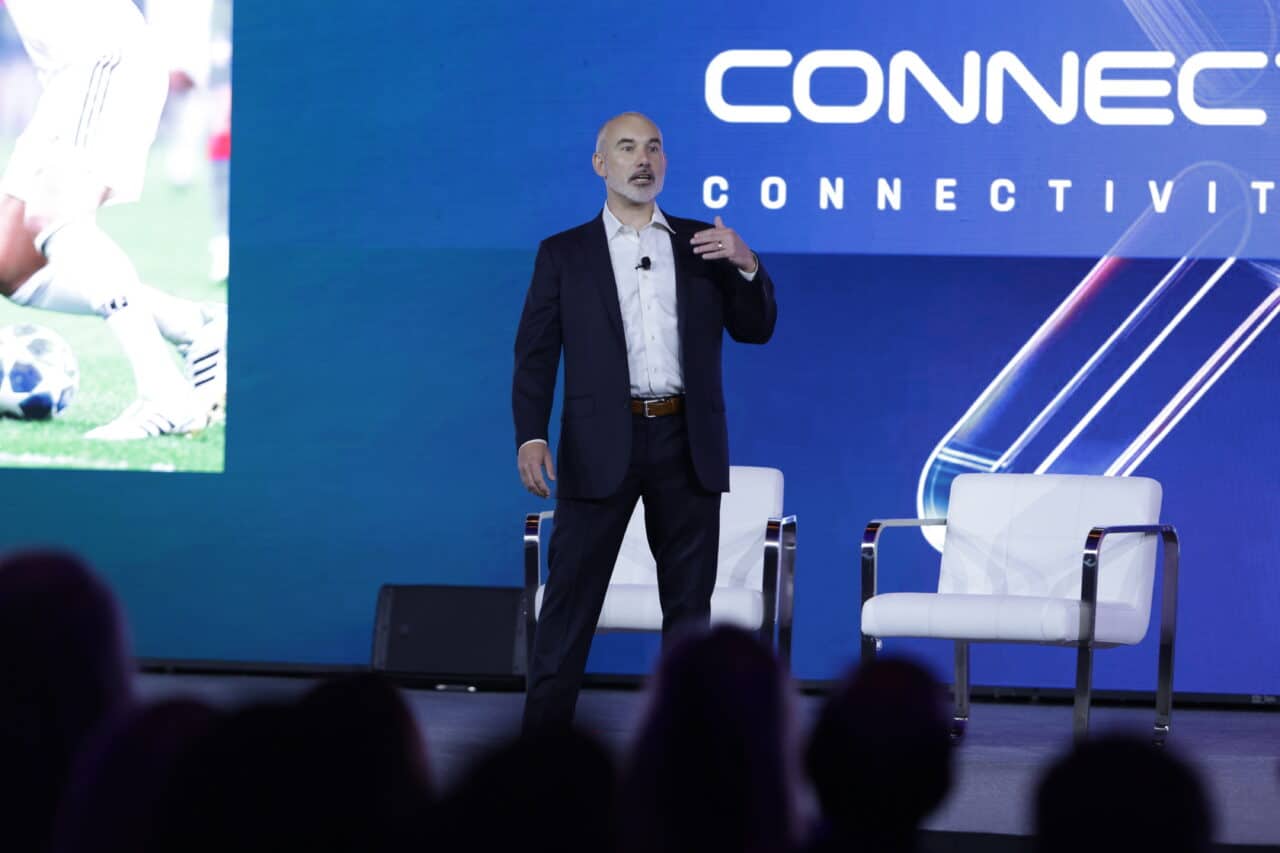
Today at Connect (X) 2026 — the only business technology event in North America that unites the entire digital infrastructure industry — esteemed industry leaders united to reflect on, analyze, and project the course of the industry. WIA President and CEO Patrick Halley announced WIA’s launch of the Edge AI Infrastructure Initiative, in a cross-industry effort for edge AI infrastructure promotion and acceleration to anticipate the continued growth of AI at the edge.
View video and notable quotes from the keynote sessions.
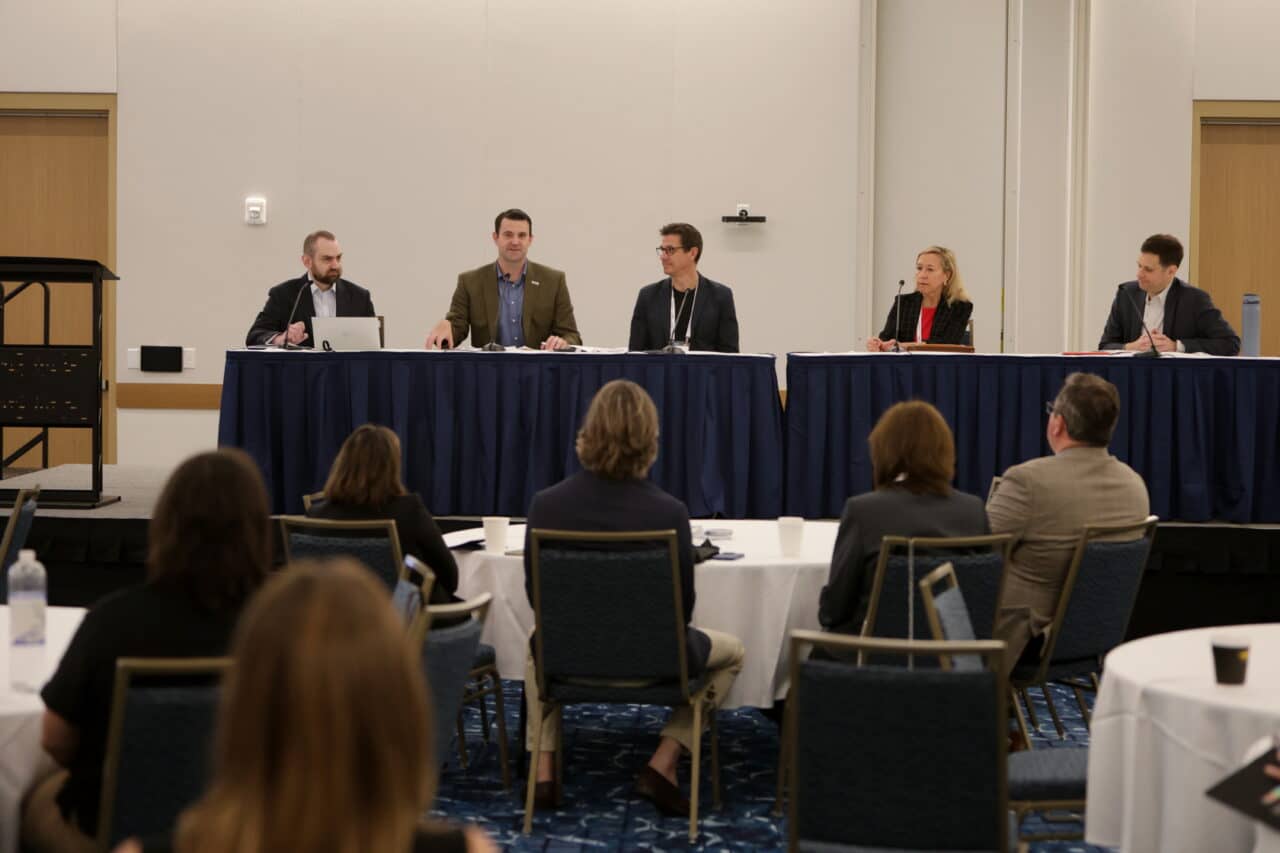
Breakout Session Highlights
Connected Venues Series: AT&T Spotlight – From Coverage to Commerce in In‑Building Connectivity
AT&T highlighted the growing value of robust in‑building connectivity across hospitals, hospitality, and publicly funded venues, where strong coverage directly improves operations and customer experience. With more than 30,000 Passpoint‑enabled venues and a converged DAS, Wi‑Fi, fiber, and wireless strategy, AT&T emphasizes seamless connectivity as a core infrastructure investment.
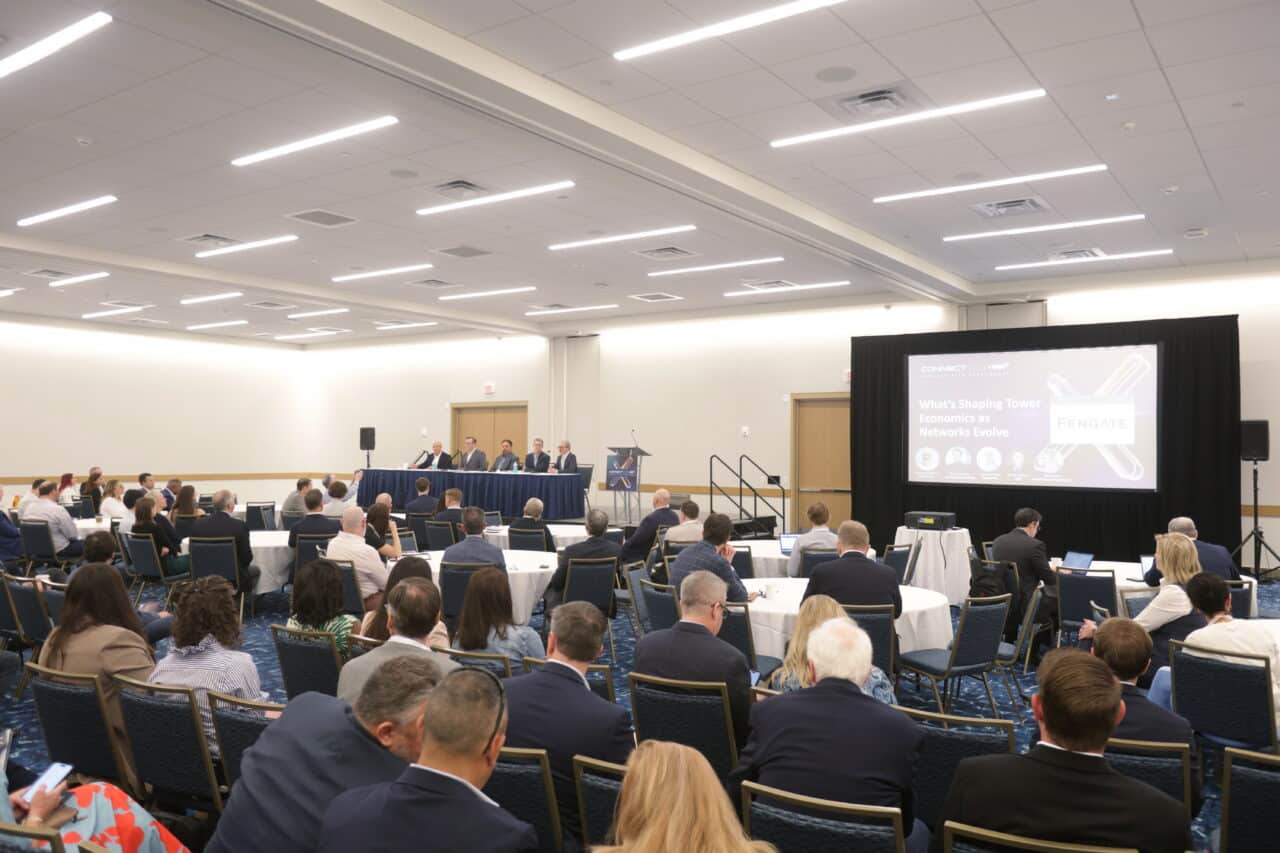
What’s Shaping Tower Economics as Networks Evolve
Panelists agreed the tower business remains economically strong, with sustained demand and growth opportunities despite ongoing challenges. Key pain points include permitting complexity and deployment delays that continue to pressure operators and infrastructure providers.
AI RAN: Too Early? Too Risky? Or Needed Now?
The panel positioned AI‑RAN as an opportunity to evolve operator business models through smarter orchestration, improved efficiency, and enhanced customer service. While still emerging, use cases such as spectrum optimization, network efficiency, and AI‑driven services show strong revenue and performance potential.
State of Play: Wireless Deployment at the State and Local Level
Speakers reviewed recent legislative wins, deployment headwinds, and opportunities to improve collaboration with state and local entities. Discussions focused on addressing community opposition, navigating public utility commissions, and streamlining deployment processes.
Don’t Stop Believing: The Future of Wireless Networks
Wireless infrastructure demand continues to rise across urban, suburban, and rural markets, creating capacity pressure and a more polarized infrastructure landscape. While satellite players like SpaceX are disruptive, panelists agreed a hybrid satellite‑terrestrial model is essential, especially as AI growth pushes networks toward 6G later this decade.
Unlocking the Potential of Neutral Host Deployments
As carrier‑funded models fade, the panel explored who will pay for in‑building systems and how budgets will evolve over the next decade. Neutral host infrastructure is becoming a necessity, driven by AI, reliability requirements, and the growing expectation of seamless indoor and outdoor connectivity.
Defining the Best Infrastructure Asset
Operators emphasized that viable sites must be safe, transparent, well‑located, and fully lease‑ready with rapid deployment capabilities. Strong site management, regulatory compliance, and landlord relationships were highlighted as critical to long‑term reliability and asset value.
Driving Toward AI With Telco Edge Infrastructure
Panelists underscored the need for edge infrastructure to support power‑intensive, low‑latency AI use cases that centralized networks alone cannot handle. Early deployments will be driven by specific applications—such as integrated sensing and communication—requiring compute closer to the network edge.
Permitting to Drive AI Infrastructure
This panel focused on the infrastructure and permitting reforms needed to unlock AI‑driven innovation and prepare for 6G. Speakers called for improved coordination across local, state, and federal processes to accelerate deployment and reduce friction.
The Role of Wi-Fi 7 in Building and Across the Campus
The panel emphasized that Wi‑Fi 7 and private cellular are increasingly deployed together as complementary technologies, with enterprises using Wi‑Fi for high‑capacity, low‑cost indoor connectivity while relying on private cellular for mobility, security, and deterministic performance in specific lanes. Speakers highlighted Wi‑Fi 7’s major benefits—higher throughput, lower latency, and better spectrum efficiency—while noting that near‑term adoption is constrained by limited availability of Wi‑Fi 7–capable devices and the need for broader ecosystem readiness.
Optimizing AI Processing Between the Device, Edge, and Data Center
This panel explored the question of where AI workloads should be processed—on the device, at the edge, or in the data center—and concluded that the answer depends heavily on the use case and specific function, with many scenarios leveraging all three locations. Panelists agreed that telecom providers are uniquely positioned to play a pivotal role in enabling and monetizing AI processing at the edge.
The International TowerCo Opportunity
Panelists discussed the complexities of building and maintaining telecommunications infrastructure globally, with insights from markets including South Africa and Australia. Key challenges included local and state government attitudes toward development, regulatory hurdles, and permitting constraints that can significantly impact deployment timelines and costs.
Investing in the AI Data Center Revolution
This discussion focused on the evolving demand cycle for data center infrastructure and the market challenges shaping investment decisions, with power availability emerging as the dominant driver of deployment and billing cycles. Speakers highlighted community pushback, state moratoria, labor constraints, and shortages of powered land, underscoring the importance of diversified investment strategies, risk evaluation, and flexible financial structures as capital, land, and AI-driven compute demand continue to scale faster than monetization.
Interactive Mock Hearing
Participants walked through a simulated hearing focused on an application to add height to an existing tower, gaining practical insight into the approval process. The session highlighted best practices for presenting a strong application, responding effectively to opposition, and clearly advocating for clients before regulatory bodies.
Agentic AI and the Impact of Telco Infrastructure
Panelists examined the rise of agentic AI, emphasizing challenges around security, authentication, and orchestration to ensure agents operate safely and effectively. The discussion underscored agentic AI as a new revenue opportunity for telcos, leveraging existing infrastructure, networks, and customer bases, while also touching on Integrated Sensing and Communication (ISAC) use cases such as heat maps for object sensing.