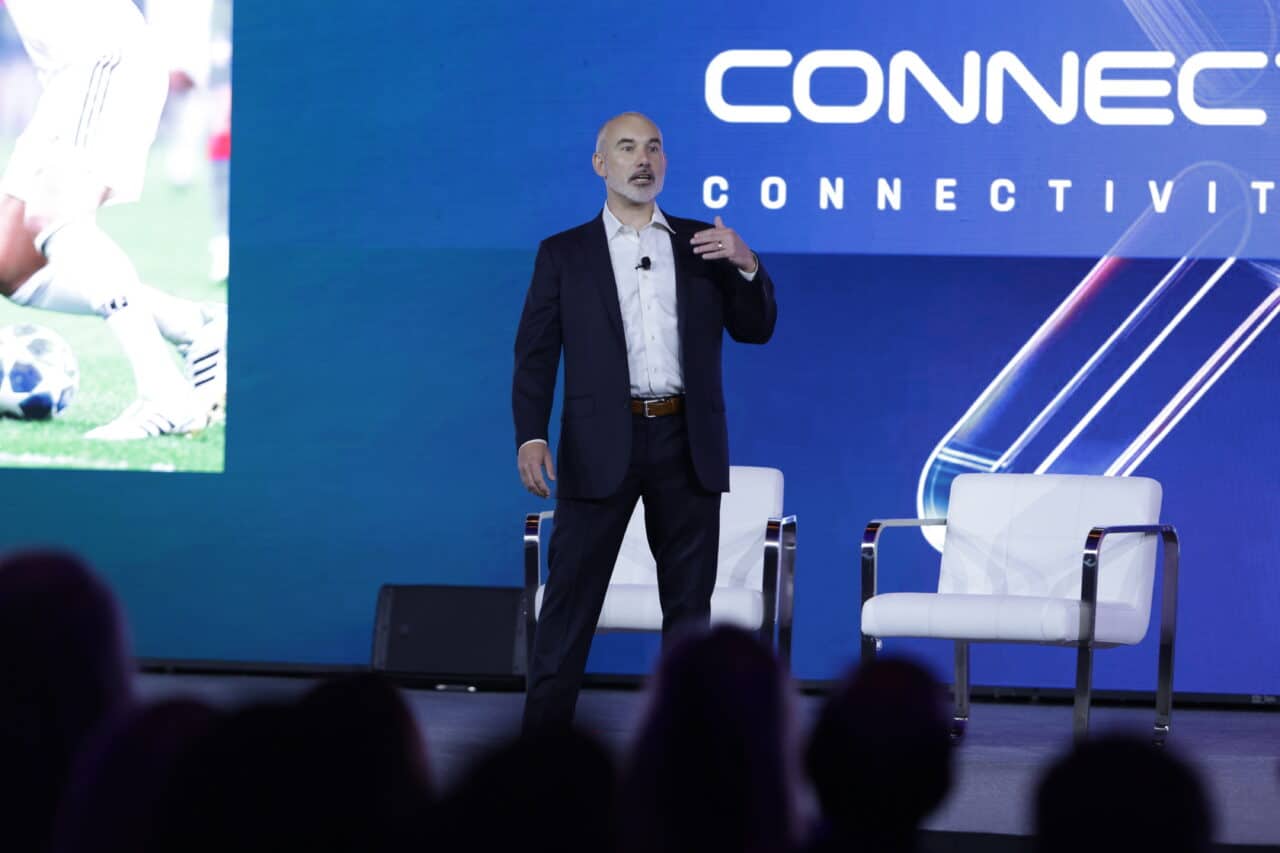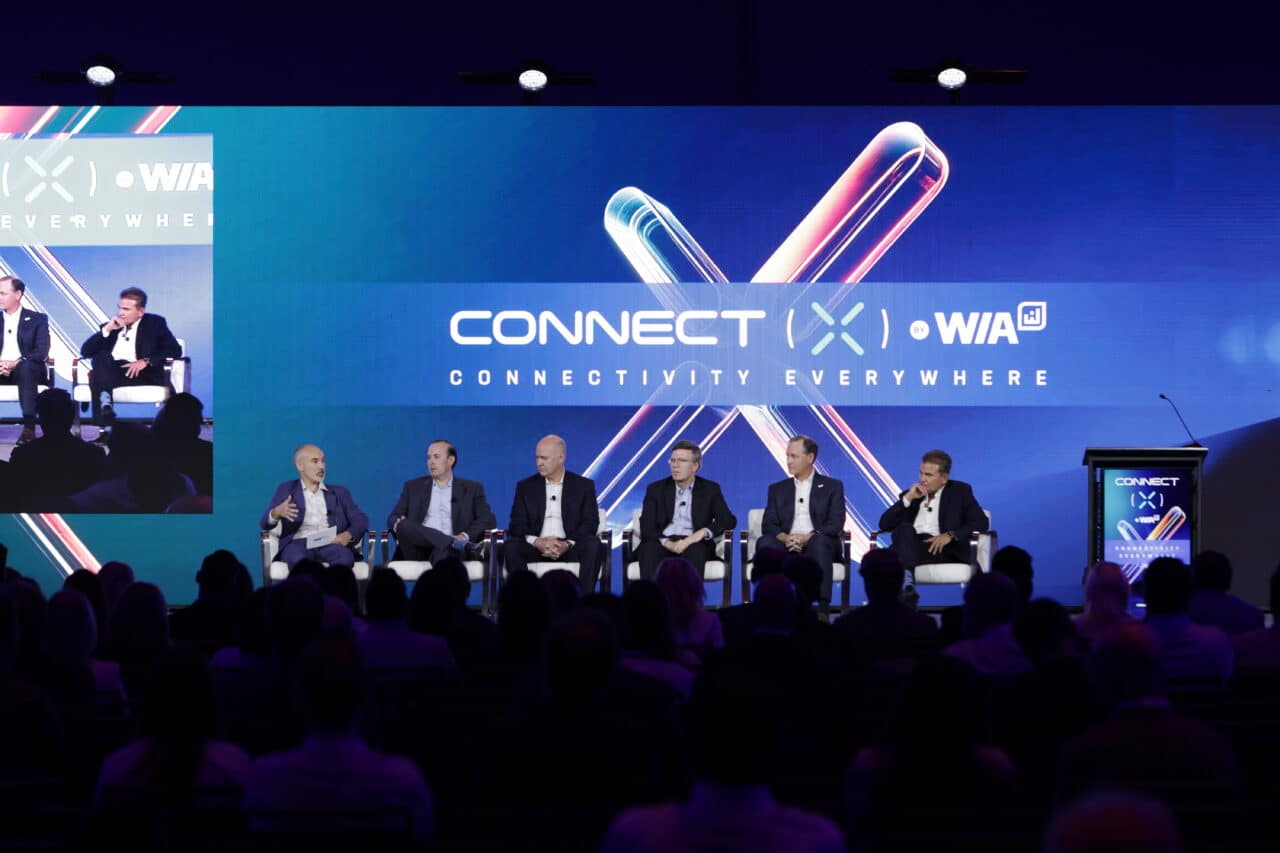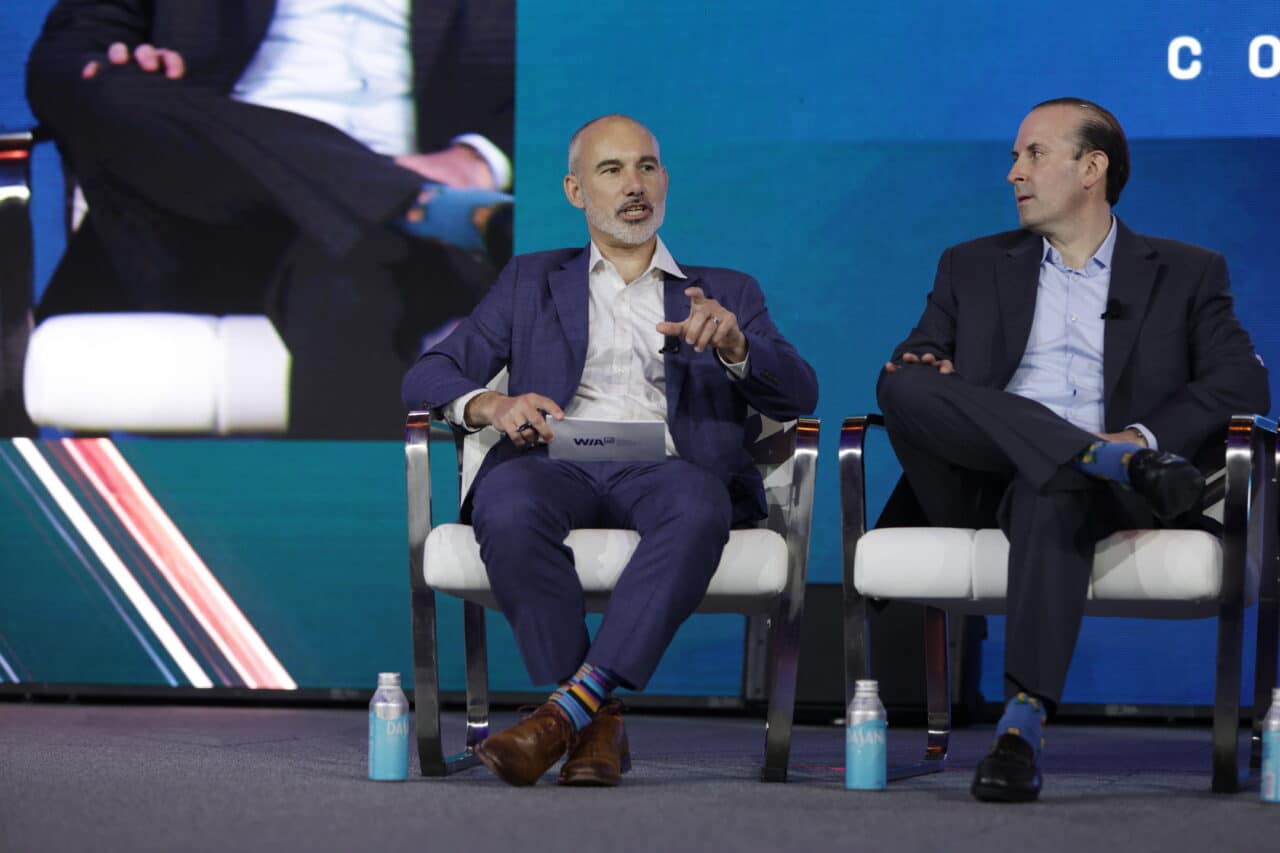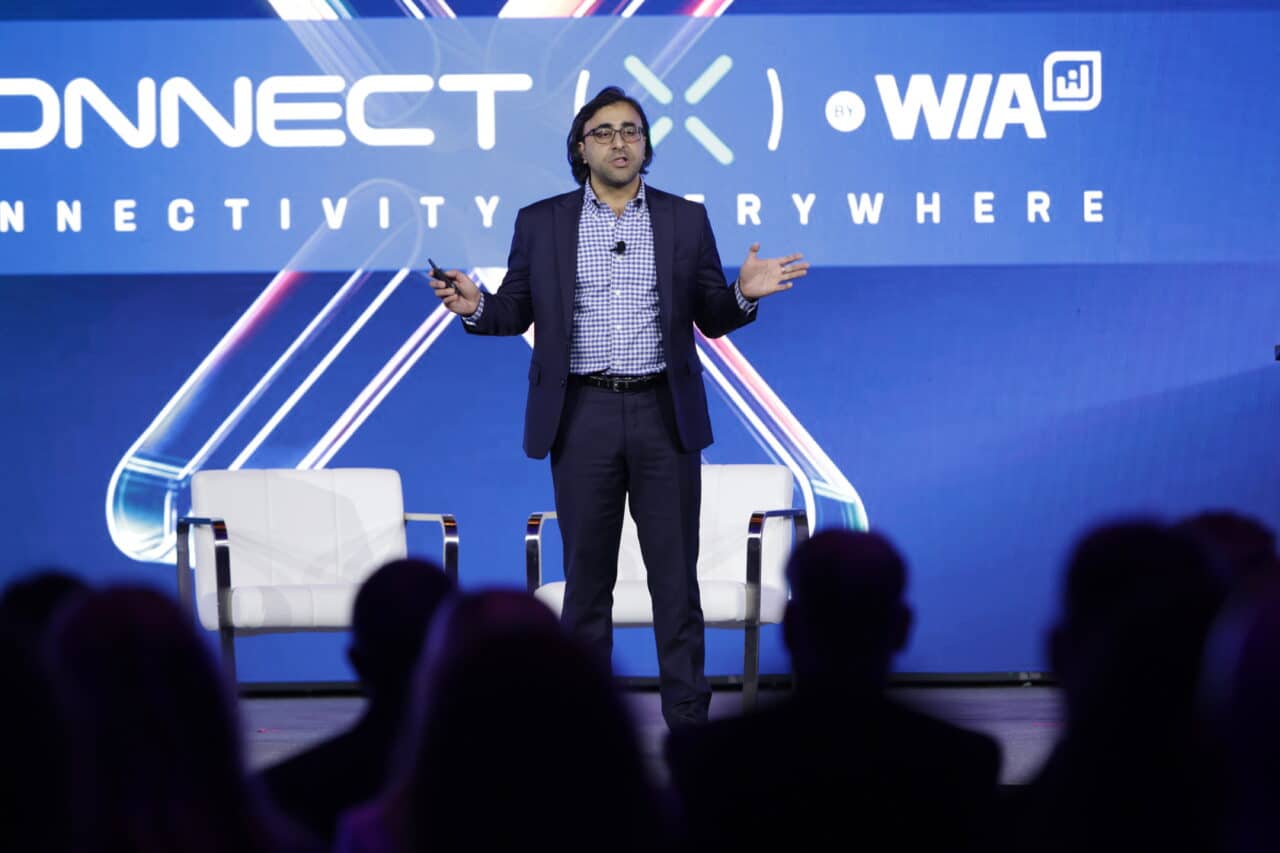
Connect (X) Keynotes feature FCC’s Arpan Sura; AT&T; Digital Bridge and Tower Executives. Watch the videos
Keynotes
Connect (X) Keynotes feature FCC’s Arpan Sura; AT&T; Digital Bridge and Tower Executives. Watch the videos
Day 3 Panel Highlights
Business Models, AI, and the Next Phase of Digital Infrastructure
Day 3 discussions centered on how evolving business models, AI integration, and infrastructure demands are reshaping the telecom and digital infrastructure landscape—from who pays for connectivity to how networks are powered, regulated, and financed.
Who Pays? The Shifting Connectivity Business Model
Panelists emphasized that connectivity investment is increasingly driven by specific use cases, each with unique cost structures and ROI expectations. Capital-intensive deployments—both upfront and ongoing—require careful alignment between service providers and venue owners.
In environments like stadiums and hotels, end users expect seamless connectivity but often direct frustration at the most visible provider—carriers or venue operators—depending on the context. This dynamic is pushing more shared infrastructure models, where costs are distributed across stakeholders. Ultimately, the use case dictates both who pays and how value is measured, with growing emphasis on cost efficiency, long-term viability, and future-proofing. Venue owners are also leveraging multiple revenue streams to offset connectivity investments while enhancing the customer experience.
AI, Data, and the Expanding Digital Infrastructure Ecosystem
A core theme across multiple panels was the central role of data in unlocking AI-driven value. Mobile operators, as owners of vast datasets, are uniquely positioned to develop and monetize AI-enabled services. While monetization strategies are still evolving, the consensus is that AI will fundamentally reshape service offerings, network management, and competitive differentiation.
Policy and Regulation: Navigating the Road Ahead
Discussions featuring FCC legal experts highlighted ongoing regulatory activity impacting both wireless and wireline infrastructure. Key topics included the future coexistence of terrestrial and non-terrestrial networks, as well as the FCC’s emerging role in AI oversight. Spectrum policy remains a critical issue, with panelists examining the need to identify and auction significant new spectrum resources to meet future demand.
Satellites and the Hybrid Networks
Satellite technology—particularly LEO constellations—continues to gain traction as both a complementary and competitive force in the connectivity ecosystem. Panelists explored use cases such as rural broadband expansion and participation in programs like BEAD, positioning satellites as a key component of hybrid network architectures alongside traditional cell towers.
Powering the Network: Cost, Reliability, and AI Optimization
Energy emerged as one of the most pressing operational challenges. With AI and edge computing driving exponential demand for power, infrastructure operators are under increasing pressure to manage costs while ensuring reliability. AI itself is becoming part of the solution, enabling predictive analytics for energy consumption and equipment failure, ultimately improving efficiency and resilience.
Fiber Consolidation: Opportunity Meets Complexity
Panelists examined ongoing consolidation trends in fiber markets, noting that high capital requirements and competitive pressures are driving M&A activity. However, deals are often complicated by valuation disagreements and leadership dynamics. Compared to towers, fiber remains more capital-intensive, and future consolidation will depend heavily on regional market conditions, cost structures, and investor appetite.
Operational Excellence in a More Complex Network Environment
Best practices for improving operational efficiency included better data utilization, drone-based tower inspections, and stronger communication protocols. Looking ahead, technologies such as digital twins, alongside the rollout of 6G and AI-driven tools, are expected to transform network operations and maintenance.
Funding the AI-Driven Infrastructure Buildout
The discussion focused on investment strategies for digital infrastructure in an AI-driven world. Panelists highlighted the growing importance of aligning infrastructure assets with service monetization opportunities. As AI becomes embedded across industries, demand for compute power—and the infrastructure that supports it—will continue to rise, shaping capital allocation decisions. The specific use case remains a key determinant of investment viability, particularly in balancing infrastructure development with service-based returns.
Insights From the WIA In-Building Wireless Survey
WIA shared research that shows how connectivity has become mission-critical for both enterprises—who prioritize it for revenue, cost control, and operational reliability—and consumers, who increasingly expect seamless, always-on experiences that directly influence behavior and loyalty, especially in retail and venue settings. At the same time, rising AI usage, hybrid Wi‑Fi/cellular expectations, and growing demand to connect more devices across smaller, smarter buildings are driving the need for frictionless, future-proof network strategies that can evolve with rapidly changing use cases.
Verizon’s Vision for the Connected Enterprise
Verizon emphasized a shift from delivering basic coverage to building integrated, outcome-driven network platforms that combine private wireless, edge compute, and AI to support complex enterprise needs—from healthcare and manufacturing to agriculture—tailored to each customer’s unique use cases. Success depends on “capability and outcome convergence” delivered through a broad partner ecosystem, enabling scalable, future-proof solutions that blend Wi‑Fi and cellular, extend into mid-market opportunities, and support real-time, AI-enabled applications like worker safety, automation, and predictive operations.
Transforming Enterprise Networks for AI
The panel discussed how AI-enabled smart buildings move from reactive systems to proactive, data-driven environments that optimize operations, enhance user experiences, and improve efficiency across industries. Experts emphasize the need for converged, secure networks and clear business outcomes—such as cost savings, safety, and personalization—to justify investment and fully realize AI’s value in connected spaces.